
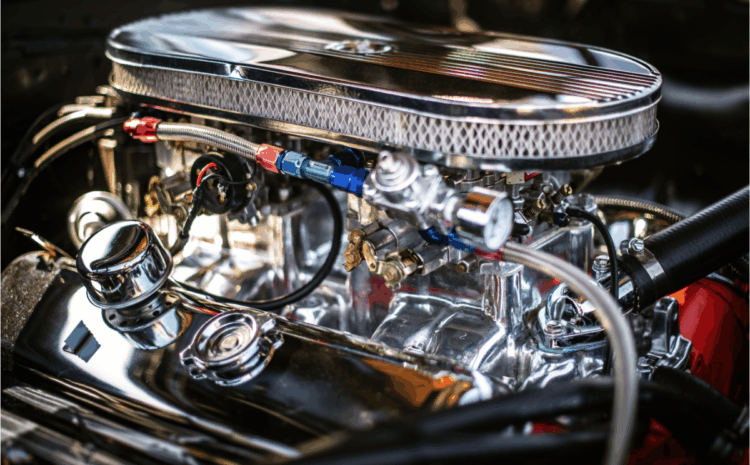
Engines are the heart of any machine that moves, from trucks and generators to cars and construction equipment. There are several main types of engines, and each one has its own pros, cons, and best-use scenarios.
Whether you’re running diesel-powered heavy equipment, managing a hybrid fleet, or curious about switching to electric, it pays to know how each engine type delivers power. We’ll break down petrol, diesel, electric, hybrid, and alternative engines like turbines and rotary systems, so you can choose the right setup for your job, vehicle, or operation.
Different Types of Engines
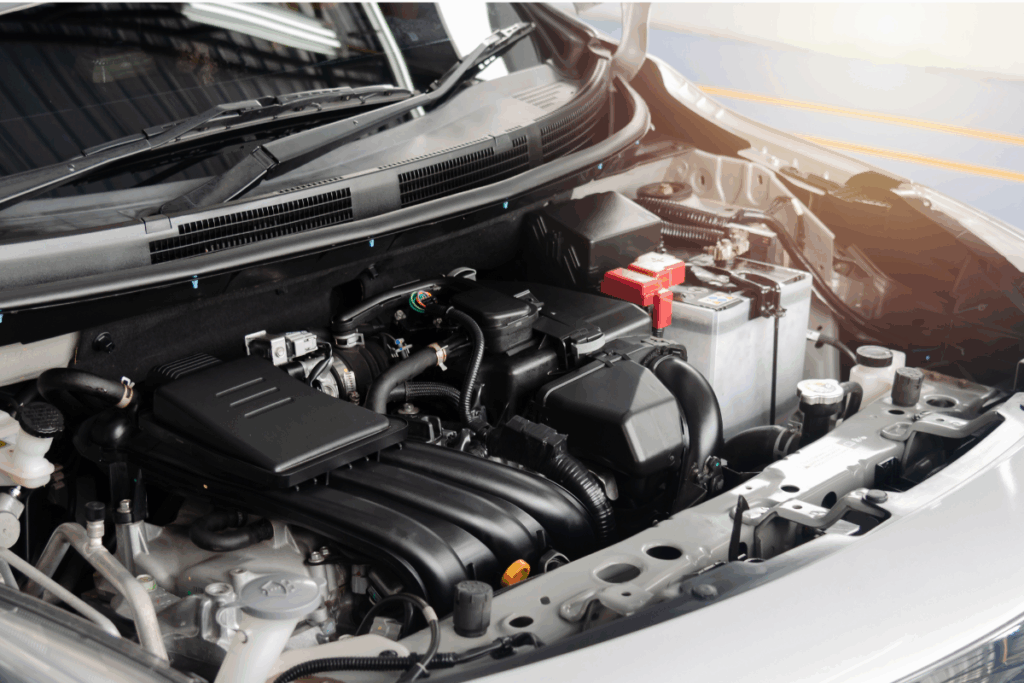
Internal Combustion Engines: Still Doing the Heavy Lifting
These are the workhorses of the industry. Internal combustion engines generate power through controlled explosions of fuel inside a combustion chamber, turning pistons, spinning crankshafts, and delivering mechanical force.
Two core variants dominate:
-
- Spark-Ignition Engines (Petrol/Gas): Use a spark plug to ignite the air-fuel mix. Common in cars, bikes, and small machinery. Smooth throttle, high RPMs, but lower torque and efficiency under heavy loads.
-
- Compression-Ignition Engines (Diesel): No spark needed. Air is compressed until it ignites fuel, producing higher torque, better fuel economy under strain, and longer lifespan. That’s why diesel engines are the go-to for trucks, generators, and heavy-duty equipment. In a heavy-load diesel machine, the fuel pressure must remain stable, that’s why our diesel pumps help maintain smooth operation under extreme conditions.
Engine stroke also affects performance:
-
- Two-Stroke: Lightweight, fast cycles – seen in tools and small engines, but inefficient for vehicles.
-
- Four-Stroke: Standard in most modern engines – better fuel economy and durability under continuous use.
Diesel vs Petrol: Built for Different Jobs
| Feature | Diesel | Petrol |
| Ignition | Compression | Spark |
| Torque | High (low RPM) | Moderate (higher RPM) |
| Efficiency | Strong under load | Lower overall |
| Maintenance | Durable, higher cost | Simpler, cheaper |
| Emissions | NOx, particulates | Less NOx, more CO2 |
| Best Use | Hauling, uptime, equipment | Commuting, small machines |
If you need torque, durability, and fuel economy, diesel wins every time. Petrol engines are smoother, lighter, and better for daily driving with less load. That said, even diesel systems need upkeep. Worn or clogged fuel injectors degrade combustion efficiency, but diesel injectors help restore precise fuel delivery.
Electric Motors: Torque Without the Fuel Burn
No fuel, no exhaust, just electricity turning a rotor via magnetic fields. That’s the EV play. You get instant torque, low maintenance, and no emissions at the tailpipe. Ideal for city fleets and light-duty vehicles.
Battery is king here: lithium-ion packs offer 200-400 miles per charge. Solid-state is the next wave – faster, safer, more dense. Charging ranges from slow wall plugs (Level 1) to 80% top-ups in under an hour (DC Fast).
Main types:
-
- AC Motors: Used in most EVs, manage torque well, and are reliable.
-
- DC Motors: Simpler control, compact use in smaller EVs or robotics.
Hybrid Engines: Split Power, Smart Savings
Hybrids combine a combustion engine (petrol or diesel) with one or more electric motors. The result? Better mileage, lower emissions, smoother transitions in traffic.
Powertrain Types:
-
- Parallel: Both engine and motor can drive wheels
-
- Series: Engine charges motor; only motor drives wheels
-
- Series-Parallel: Smart-switching between systems for max efficiency
Plug-in Hybrids (PHEVs): Rechargeable from wall outlets. Great for short electric-only trips with the backup of a combustion engine for longer drives.
In real-world terms, hybrids save fuel in stop-start traffic and reduce wear on combustion engines. Great for fleets trying to balance performance and compliance.
Light Touch: Alternative & Niche Engines
While they don’t align with most diesel-focused operations, here’s a quick nod:
-
- Rotary (Wankel): Compact and smooth, but inefficient and emission-heavy
-
- Hydrogen Fuel Cell: Zero emissions, big infrastructure hurdles
-
- Biofuel/Flex-fuel: Cleaner burns, but performance and availability vary
-
- External Combustion (e.g. steam): Historic tech, not road-relevant
Most of these are for experimental setups or specific environmental zones — not part of the day-to-day for diesel operators.
Engine Maintenance Considerations by Type
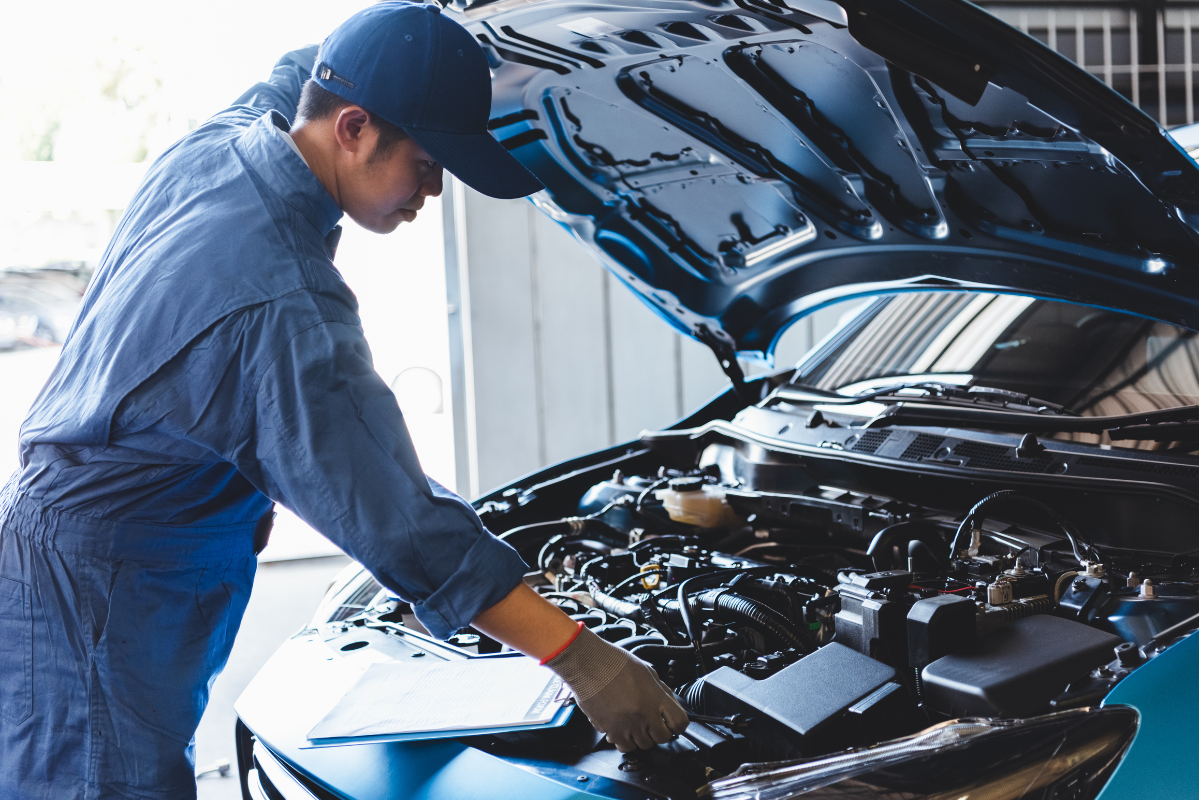
Choosing an engine is more than just about power, you also need to think about how much time and money you’ll spend keeping it running. Each engine type comes with its own maintenance profile, from rugged diesel builds to minimal-service electric systems.
Here’s what you need to know:
Diesel Engines
Diesel engines are built tough – high compression, long lifespan – but they still need attention to stay reliable.
-
- Fuel filters must be changed regularly to prevent clogging from impurities.
-
- Glow plugs can wear out and impact cold starts.
-
- Diesel Particulate Filters (DPFs) need cleaning or replacement to stay emissions-compliant.
-
- Water separators should be checked to avoid moisture in the fuel line.
-
- More vibration means checking mounts, belts, and hoses more often.
Petrol Engines
Gasoline engines are simpler and cheaper to service, making them ideal for short commutes and light loads.
-
- Spark plugs and wires wear faster than in diesel setups.
-
- Oil changes are more frequent due to higher operating RPMs.
-
- Air filters and fuel injectors need regular cleaning to maintain throttle response.
-
- Lower torque and higher revving leads to more stress on the valvetrain in older models.
Electric Motors
Electric engines skip combustion entirely, and that means way less can go wrong. No oil changes, spark plugs, or timing belts to worry about, and thanks to regenerative braking, even brake wear is reduced. That said, battery systems still need monitoring, software updates are essential, and diagnostics may require specialized tools for cooling and electrical components.
Hybrid Engines
Hybrids come with the best – and worst – of both worlds. The combustion side, whether petrol or diesel, still needs routine service like any traditional engine. Meanwhile, the electric system demands battery health checks and inverter maintenance. Add in regenerative braking and dual drivetrains, and you’ve got a more complex setup overall. Not every shop is equipped to handle both systems, so hybrid servicing often requires specialized expertise.
Power vs Emissions: Striking the Right Balance

Engine performance isn’t just about horsepower, it’s how well that power gets to work without wasting fuel or choking your emissions system. The right setup balances torque, efficiency, and environmental compliance. Whether you’re hauling loads or chasing better mileage, it’s about squeezing every bit of performance out while keeping emissions in check.
-
- Gas Engines: Common in passenger vehicles; fuel-efficient, smooth-running, but deliver less torque than diesel or electric.
-
- Diesel Engines: Known for high torque at low RPMs; ideal for heavy loads and work vehicles. More efficient but higher NOx emissions.
-
- Electric Motors: Deliver instant torque with zero tailpipe emissions. Use electric current to create motion; no combustion, no fuel.
-
- Hybrid Engines: Combine petrol power with electric motors. Great for city driving, improved fuel economy, and reduced emissions.
-
- Forced Air Induction: Turbochargers and superchargers boost performance by compressing intake air and more air equals more power.
-
- Inline & V Engines: Inline engines (e.g., four cylinders) are compact and efficient. V engines (e.g., V6, V8) offer more cylinders and higher output.
-
- Flat Engines: Low profile, better balance; often used in performance and sports cars.
-
- Kinetic vs. Mechanical Energy: Most engines convert fuel into mechanical energy, which turns into kinetic energy (motion).
Whether it’s fuel economy, power output, or emissions, your engine type should match your operational goals. If your diesel power unit is misbehaving, we offer full Fuel System Repairs from tank to injector to restore performance.
Final Thoughts

From powerful diesel engines designed to haul serious weight, to electric engines gaining ground in city fleets, every engine type brings something different to the table. Fuel efficiency, emissions, power output – your priorities shape your choice.
At A1 Diesel, our primary concern is uptime, durability, and performance under pressure. Whether you’re sticking with tried-and-true internal combustion or exploring electric vehicles for lighter duty, understanding how each system works helps you make the best call for your operation.
Frequently Asked Questions
What’s the difference between diesel and petrol engines?
Diesel engines run on compression. Meaning air gets squeezed until it’s hot enough to ignite the fuel. Petrol engines rely on spark ignition, so they mix fuel and air, then fire it off with a spark plug. Diesels are tougher, burn fuel more efficiently, and are built for long hauls and heavy loads. Petrol engines run smoother, start easier in the cold, and produce fewer particulates, but they burn through more fuel and don’t last as long under strain.
How is an electric motor different from a traditional engine?
Electric motors don’t burn fuel, they use electricity to spin up torque instantly. No gears, no combustion, no tailpipe emissions. That also means fewer parts to wear down and less maintenance over time. Combustion engines need fuel, oil, filters, and regular servicing. Electric power is clean, quiet, and quick, but range, charging, and upfront cost are still trade-offs.
What makes a rotary engine different from a piston engine?
Rotary engines ditch pistons entirely. They use a spinning rotor inside a housing to create power, which makes them smaller, lighter, and smoother running. But they’re not perfect: rotary engines burn more fuel, leak more often, and don’t last as long without serious upkeep.
Do all electric vehicles use the same type of motor?
Not exactly. While all electric vehicles rely on electrical energy to power the wheels, they use different types of electric motors. Most cars use AC motors – either induction or synchronous – for better torque control and durability. Some smaller or older models might use DC motors, which are simpler and efficient for low-load applications. The choice depends on performance characteristics, battery technology, and how the vehicle is designed to drive.